





The only agent that thinks for itself

Autonomous Monitoring with self-learning AI built-in, operating independently across your entire stack.

Unlimited Metrics & Logs
Machine learning & MCP
5% CPU, 150MB RAM
3GB disk, >1 year retention
800+ integrations, zero config
Dashboards, alerts out of the box
> Discover Netdata Agents

Centralized metrics streaming and storage

Aggregate metrics from multiple agents into centralized Parent nodes for unified monitoring across your infrastructure.

Stream from unlimited agents
Long-term data retention
High availability clustering
Data replication & backup
Scalable architecture
Enterprise-grade security
> Learn about Parents

Fully managed cloud platform

Access your monitoring data from anywhere with our SaaS platform. No infrastructure to manage, automatic updates, and global availability.

Zero infrastructure management
99.9% uptime SLA
Global data centers
Automatic updates & patches
Enterprise SSO & RBAC
SOC2 & ISO certified
> Explore Netdata Cloud

Deploy Netdata Cloud in your infrastructure

Run the full Netdata Cloud platform on-premises for complete data sovereignty and compliance with your security policies.

Complete data sovereignty
Air-gapped deployment
Custom compliance controls
Private network integration
Dedicated support team
Kubernetes & Docker support
> Learn about Cloud On-Premises

Powerful, intuitive monitoring interface

Modern, responsive UI built for real-time troubleshooting with customizable dashboards and advanced visualization capabilities.

Real-time chart updates
Customizable dashboards
Dark & light themes
Advanced filtering & search
Responsive on all devices
Collaboration features
> Explore Netdata UI

Monitor on the go

Native iOS and Android apps bring full monitoring capabilities to your mobile device with real-time alerts and notifications.

iOS & Android apps
Push notifications
Touch-optimized interface
Offline data access
Biometric authentication
Widget support
> Download apps

The future of infrastructure observability

See our strategic direction across AI-native observability, full-stack signals, operational intelligence, and enterprise platform maturity.

AI-native observability
Full-stack signal coverage
Operational intelligence
Enterprise platform maturity
Agent releases every 6 weeks
Cloud continuous delivery
> Explore Product Roadmap

Best energy efficiency

True real-time per-second

100% automated zero config

Centralized observability

Multi-year retention

High availability built-in

Zero maintenance

Always up-to-date

Enterprise security

Complete data control

Air-gap ready

Compliance certified

Millisecond responsiveness

Infinite zoom & pan

Works on any device

Native performance

Instant alerts

Monitor anywhere

AI-native observability

Continuous delivery

Open source foundation

80% Faster Incident Resolution

AI-powered troubleshooting from detection, to root cause and blast radius identification, to reporting.

True Real-Time and Simple, even at Scale

Linearly and infinitely scalable full-stack observability, that can be deployed even mid-crisis.

90% Cost Reduction, Full Fidelity

Instead of centralizing the data, Netdata distributes the code, eliminating pipelines and complexity.

See and Map Your Entire Network

Live topology, flow analytics, and SNMP device and trap monitoring — unified with your full-stack observability.

Control Without Surrender

SOC 2 Type 2 certified with every metric kept on your infrastructure.

Integrations

800+ collectors and notification channels, auto-discovered and ready out of the box.

800+ data collectors
Auto-discovery & zero config
Cloud, infra, app protocols
Notifications out of the box
> Explore integrations
Real Results
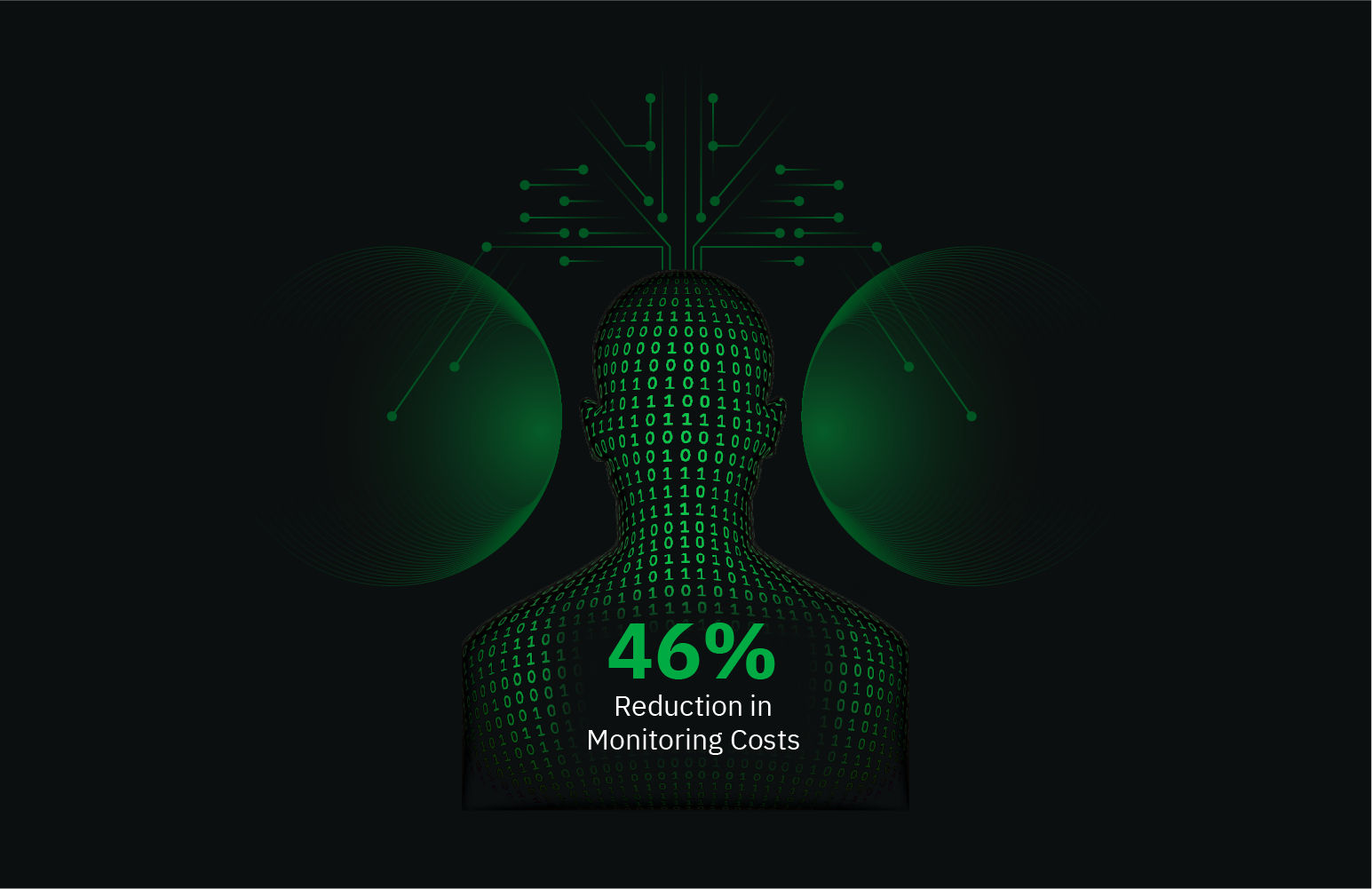
46% Cost Reduction

Reduced monitoring costs by 46% while cutting staff overhead by 67%.

— Leonardo Antunez, Codyas

Zero Pipeline

No data shipping. No central storage costs. Query at the edge.

From Our Users
"Out-of-the-Box"

So many out-of-the-box features! I mostly don't have to develop anything.

— Simon Beginn, LANCOM Systems

No Query Language

Point-and-click troubleshooting. No PromQL, no LogQL, no learning curve.

Enterprise Ready
67% Less Staff, 46% Cost Cut

Enterprise efficiency without enterprise complexity—real ROI from day one.

— Leonardo Antunez, Codyas

SOC 2 Type 2 Certified

Zero data egress. Only metadata reaches the cloud. Your metrics stay on your infrastructure.

Full Coverage
800+ Collectors

Auto-discovered and configured. No manual setup required.

Any Notification Channel

Slack, PagerDuty, Teams, email, webhooks—all built-in.

Built for the People Who Get Paged

Because 3am alerts deserve instant answers, not hour-long hunts.

Every Industry Has Rules. We Master Them.

See how healthcare, finance, and government teams cut monitoring costs 90% while staying audit-ready.

Monitor Any Technology. Configure Nothing.

Install the agent. It already knows your stack.
From Our Users
"A Rare Unicorn"

Netdata gives more than you invest in it. A rare unicorn that obeys the Pareto rule.

— Eduard Porquet Mateu, TMB Barcelona

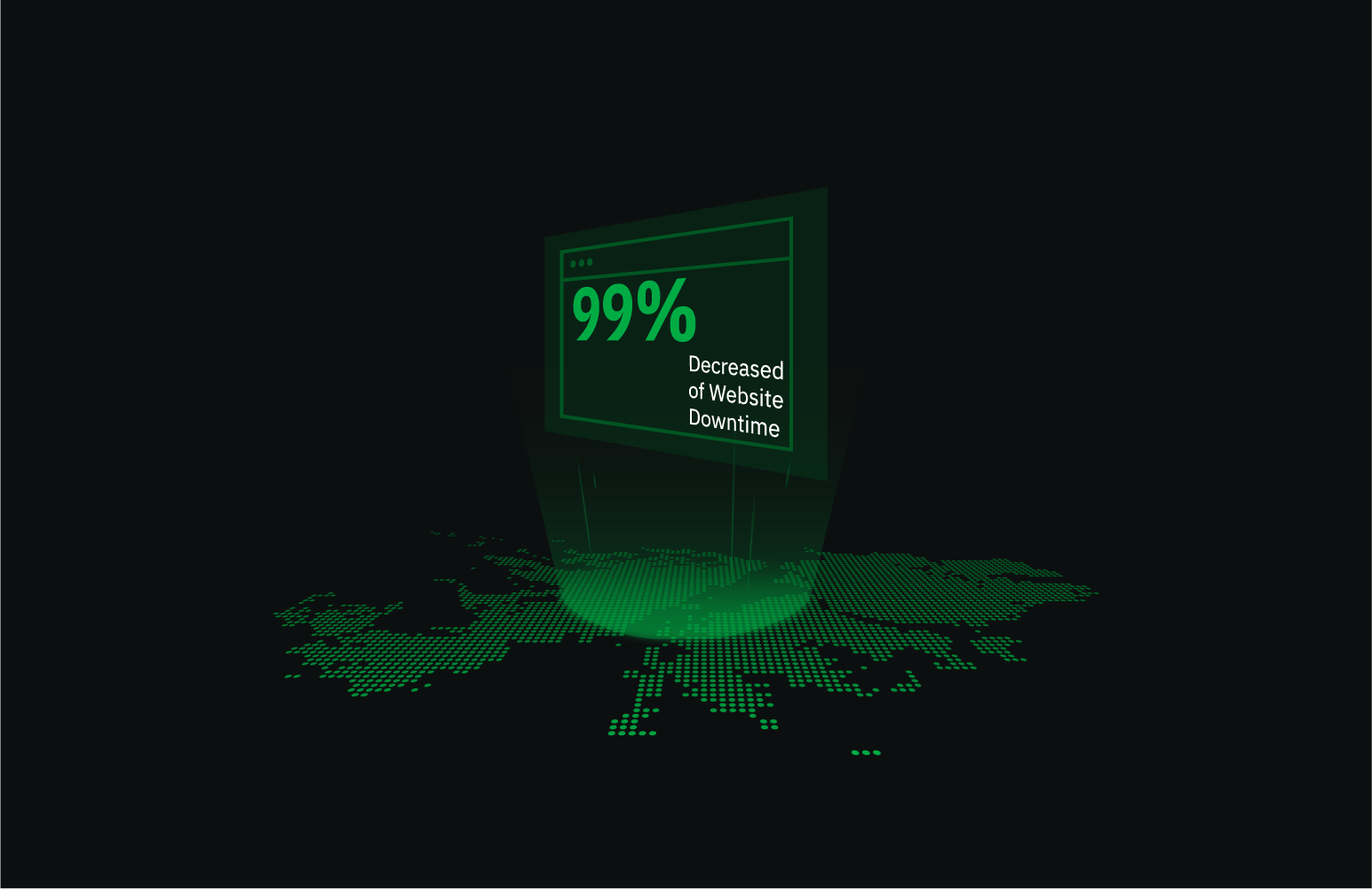
99% Downtime Reduction

Reduced website downtime by 99% and cloud bill by 30% using Netdata alerts.

— Falkland Islands Government

Real Savings
30% Cloud Cost Reduction

Optimized resource allocation based on Netdata alerts cut cloud spending by 30%.

— Falkland Islands Government

46% Cost Cut

Reduced monitoring staff by 67% while cutting operational costs by 46%.

— Codyas

Real Coverage
"Plugin for Everything"

Netdata has agent capacity or a plugin for everything, including Windows and Kubernetes.

— Eduard Porquet Mateu, TMB Barcelona

"Out-of-the-Box"

So many out-of-the-box features! I mostly don't have to develop anything.

— Simon Beginn, LANCOM Systems

Real Speed
Troubleshooting in 30 Seconds

From 2-3 minutes to 30 seconds—instant visibility into any node issue.

— Matthew Artist, Nodecraft

20% Downtime Reduction

20% less downtime and 40% budget optimization from out-of-the-box monitoring.

— Simon Beginn, LANCOM Systems

Pay per Node. Unlimited Everything Else.

One price per node. Unlimited metrics, logs, users, and retention. No per-GB surprises.

Free tier—forever
No metric limits or caps
Retention you control
Cancel anytime
> See pricing plans

What's Your Monitoring Really Costing You?

Most teams overpay by 40-60%. Let's find out why.

Expose hidden metric charges
Calculate tool consolidation
Customers report 30-67% savings
Results in under 60 seconds
> See what you're really paying

Your Infrastructure Is Unique. Let's Talk.

Because monitoring 10 nodes is different from monitoring 10,000.

On-prem & air-gapped deployment
Volume pricing & agreements
Architecture review for your scale
Compliance & security support
> Start a conversation

Monitoring That Sells Itself

Deploy in minutes. Impress clients in hours. Earn recurring revenue for years.

30-second live demos close deals
Zero config = zero support burden
Competitive margins & deal protection
Response in 48 hours
> Apply to partner

Per-Second Metrics at Homelab Prices

Same engine, same dashboards, same ML. Just priced for tinkerers.

Community: Free forever · 5 nodes · non-commercial
Homelab: $90/yr · unlimited nodes · fair usage
> Get the Homelab Plan

$1,000 Per Referral. Unlimited Referrals.

Your colleagues get 10% off. You get 10% commission. Everyone wins.

10% of subscriptions, up to $1,000 each
Track earnings inside Netdata Cloud
PayPal/Venmo payouts in 3-4 weeks
No caps, no complexity
> Get your referral link
Cost Proof
40% Budget Optimization

"Netdata's significant positive impact" — LANCOM Systems

Calculate Your Savings

Compare vs Datadog, Grafana, Dynatrace

Savings Proof
46% Cost Reduction

"Cut costs by 46%, staff by 67%" — Codyas

30% Cloud Bill Savings

"Reduced cloud bill by 30%" — Falkland Islands Gov

Enterprise Proof
"Better Than Combined Alternatives"

"Better observability with Netdata than combining other tools." — TMB Barcelona

Real Engineers, <24h Response

DPA, SLAs, on-prem, volume pricing

Why Partners Win
Demo Live Infrastructure

One command, 30 seconds, real data—no sandbox needed

Zero Tickets, High Margins

Auto-config + per-node pricing = predictable profit

Homelab Ready
Free Video Course

8-episode Netdata tutorial by LearnLinux.tv

76k+ GitHub Stars

3rd most starred monitoring project

Worth Recommending
Product That Delivers

Customers report 40-67% cost cuts, 99% downtime reduction

Zero Risk to Your Rep

Free tier lets them try before they buy

AI Support Assistant, Available 24/7

Nedi has access to all official documentation, source code, and resources. Ask any question about Netdata—responds in your language.

Deployment & configuration
Troubleshooting & sizing
Alerts & notifications
Evidence-based answers
> Ask Nedi now

Never Fight Fires Alone

Docs, community, and expert help—pick your path to resolution.

Learn.netdata.cloud docs
Discord, Forums, GitHub
Premium support available
> Get answers now

60 Seconds to First Dashboard

One command to install. Zero config. 850+ integrations documented.

Linux, Windows, K8s, Docker
Auto-discovers your stack
> Read our documentation

Level Up Your Monitoring

Real problems. Real solutions. 112+ guides from basic monitoring to AI observability.

76,000+ Engineers Strong

615+ contributors. 1.5M daily downloads. One mission: simplify observability.

Per-Second. 90% Cheaper. Data Stays Home.

Side-by-side comparisons: costs, real-time granularity, and data sovereignty for every major tool.

See why teams switch from Datadog, Prometheus, Grafana, and more.

> Browse all comparisons
Edge-Native Observability, Born Open Source
Per-second visibility, ML on every metric, and data that never leaves your infrastructure.
Founded in 2016
615+ contributors worldwide
Remote-first, engineering-driven
Open source first
> Read our story
Promises We Publish—and Prove
12 principles backed by open code, independent validation, and measurable outcomes.
Open source, peer-reviewed
Zero config, instant value
Data sovereignty by design
Aligned pricing, no surprises
> See all 12 principles
Edge-Native, AI-Ready, 100% Open
76k+ stars. Full ML, AI, and automation—GPLv3+, not premium add-ons.
76,000+ GitHub stars
GPLv3+ licensed forever
ML on every metric, included
Zero vendor lock-in
> Explore our open source
Build Real-Time Observability for the World
Remote-first team shipping per-second monitoring with ML on every metric.
Remote-first, fully distributed
Open source (76k+ stars)
Challenging technical problems
Your code on millions of systems
> See open roles
Meet the Team Behind Netdata
Conferences, meetups, and tradeshows where you can see Netdata in action and talk to the engineers who build it.
Live demos and deep dives
Book 1-on-1 meetings
Talks and panel sessions
Event recaps and photos
> See all events
Talk to a Netdata Human in <24 Hours
Sales, partnerships, press, or professional services—real engineers, fast answers.
Discuss your observability needs
Pricing and volume discounts
Partnership opportunities
Media and press inquiries
> Book a conversation
Your Data. Your Rules.
On-prem data, cloud control plane, transparent terms.
Trust & Scale
76,000+ GitHub Stars

One of the most popular open-source monitoring projects

SOC 2 Type 2 Certified

Enterprise-grade security and compliance

Data Sovereignty

Your metrics stay on your infrastructure

Validated
University of Amsterdam

"Most energy-efficient monitoring solution" — ICSOC 2023, peer-reviewed

ADASTEC (Autonomous Driving)

"Doesn't miss alerts—mission-critical trust for safety software"

Community Stats
615+ Contributors

Global community improving monitoring for everyone

1.5M+ Downloads/Day

Trusted by teams worldwide

GPLv3+ Licensed

Free forever, fully open source agent

Why Join?
Remote-First

Work from anywhere, async-friendly culture

Impact at Scale

Your work helps millions of systems

$ guides / clickhouse
CLICKHOUSE · OPERATIONS PLAYBOOK

Running ClickHouse in production, without the too-many-parts pages

A columnar OLAP engine where every insert writes a part, background merges race to consolidate them, and a coordination service keeps replicas in step. The mental model of how ClickHouse actually behaves under load, where it tends to break, what to monitor as your operation matures, and the runbooks for the incidents you'll see.

"

ClickHouse is famously fast to query and famously unforgiving once the insert rate, the part count, or the replica count grows past what the defaults assumed.

The defaults work. Until small inserts outrun the merge pool, a partition crosses parts_to_throw_insert, and every write fails with DB::Exception: Too many parts. Until a single GROUP BY over a high-cardinality column allocates past the server limit and the query dies with Memory limit (total) exceeded. Until a forked merge needs free space to write its result, the data disk crosses 90%, and you hit No space left on device with no graceful degradation. Until a Keeper session drops and system.replicas shows is_readonly = 1 while SELECT queries keep answering against stale data. Until a replica silently loses parts and only a SELECT count() on each node reveals the divergence.

These guides are written for engineers who already run ClickHouse, not for people learning what a column store is. The goal is to give you the mental model of how the server actually behaves under load, the failure patterns that keep recurring, the monitoring story that catches problems before they page anyone, and the runbooks you wish someone had handed you before your last incident.

How ClickHouse actually runs in production

ClickHouse is not just a fast SELECT engine. It is a write path that turns every insert into immutable parts, a background merge pool that fights to consolidate them, a coordination layer that keeps replicas in sync, and a disk that needs free space just to stay healthy. Most production failures live between these layers, not inside any one of them.

01
clients / connections
Applications connect over the native protocol (port 9000) and HTTP (port 8123). Concurrency is gated by <code>max_concurrent_queries</code> — exceed it and queries queue or fail with <code>Too many simultaneous queries</code>. ClickHouse degrades non-linearly under concurrency; it is built for fewer, heavier queries.
CLIENT
02
query execution
Each query fans out across <code>max_threads</code> for parallel reads and aggregation. <code>GROUP BY</code> and <code>JOIN</code> build hash tables in memory; a high-cardinality aggregation or a Cartesian-product join can allocate past the limit and die with <code>MEMORY_LIMIT_EXCEEDED</code> (code 241).
EXEC
03
INSERT → parts
Every <code>INSERT</code> writes one or more immutable data parts on disk — a directory of column files, index files, and checksums. Many small inserts create many small parts; this is the single most common road to a merge crisis.
INSERT
04
MergeTree storage
Parts belong to a table and a partition. The sparse primary index and granules let queries skip parts; partition pruning skips whole partitions. Part limits (<code>parts_to_delay_insert</code>, <code>parts_to_throw_insert</code>) are counted <em>per partition</em>, so over-partitioning multiplies the risk.
STORAGE
05
background merges + mutations
Background threads continuously merge small parts into larger ones — the workhorse that keeps part counts down. <code>ALTER UPDATE/DELETE</code> mutations rewrite whole parts and share the same pool, so heavy mutations silently starve merges and let parts pile up.
MERGE
06
ReplicatedMergeTree
Replicated tables stream a per-table replication log; each replica applies entries to fetch and merge parts. <code>system.replicas</code> exposes <code>queue_size</code>, <code>absolute_delay</code>, <code>is_readonly</code>, and <code>is_session_expired</code> — the operational truth of replication health.
REPLICA
07
ZooKeeper / Keeper
The coordination service holds replication and DDL state. A lost session turns a replica <code>is_readonly = 1</code>; a saturated ensemble freezes writes cluster-wide. ZK request P99 above ~10ms is the danger zone before sessions start expiring.
KEEPER
08
disk (parts + merge headroom)
Local NVMe, EBS, or object-store tiering under the data path. ClickHouse needs free space to write a merged part <em>before</em> deleting its sources — at 85–90% full, merges stall and the part count spirals. It does not handle <code>No space left on device</code> gracefully.
DISK

Why this matters: 'ClickHouse is slow' or 'inserts are failing' can come from a part-count wall, a starved merge pool, a stalled mutation, a memory-limited query, a Keeper session loss, a disk too full to merge, or one slow shard in a distributed query. The symptom rhymes, but each layer has a different signal and a different fix.

The failures you'll actually see

Most ClickHouse incidents fall into a small set of recurring patterns. Recognise the shape, and triage gets dramatically faster.

CRITICAL

The merge death spiral

Inserts arrive faster than background merges can consolidate parts. As parts accumulate, each merge has more candidates to evaluate and more files to open, so merges fall further behind. A partition crosses parts_to_delay_insert (1000) and inserts are throttled, then parts_to_throw_insert (3000) and writes are rejected with DB::Exception: Too many parts. If the disk fills during this, recovery needs manual intervention.

  • MaxPartCountForPartition climbing toward 3000
  • DelayedInserts then RejectedInserts incrementing in system.events
  • merge pool saturated but part count still growing
  • many small INSERTs in system.query_log with low rows-per-insert
Investigate
CRITICAL

The disk space collapse

A merge reads its source parts and writes the merged result before deleting the sources, so it needs roughly twice the largest part as free space. Once the data disk is too full for a merge to complete, merges stop, small parts pile up, metadata grows, and disk usage accelerates into a self-reinforcing freeze. ClickHouse does not handle a full disk gracefully — it often crashes when logs consume the last of the space.

  • system.disks free_space below 15% and falling
  • No space left on device in the server log
  • merge activity stopped while part count grows
  • unreserved_space approaching zero
Investigate
ACTIVE

The memory pressure cascade

A workload surge pushes MemoryTracking toward max_server_memory_usage. Either one runaway query — a Cartesian-product join or a high-cardinality GROUP BY — grabs bulk memory, or many concurrent queries accumulate near the limit. Queries then die with Memory limit (total) exceeded or spill to disk, retries compound the load, and a cgroup OOM kill can take the whole process down.

  • query failures with exception code 241 (MEMORY_LIMIT_EXCEEDED)
  • MemoryTracking approaching max_server_memory_usage
  • large peak_memory_usage in system.processes
  • spill-to-disk activity in /var/lib/clickhouse/tmp/
Investigate
IMMINENT

The Keeper saturation choke

The coordination layer saturates — too many replicated tables, a DDL storm, or a ZooKeeper disk bottleneck. Request latency spikes, replicas lose their sessions, and system.replicas shows is_readonly = 1. The replica cannot accept writes even though its local storage and SELECT queries still work, and the failure spreads to every replicated table at once.

  • is_session_expired = 1 flapping then sticking on replicas
  • is_readonly = 1 sustained beyond a leader election
  • replication queue growing on multiple tables at once
  • distributed DDL hanging in system.distributed_ddl_queue
Investigate
WATCHFUL

The silent replication divergence

A replica silently loses parts — a disk failure, filesystem corruption, or an accidental DROP PARTITION on one node. It reports perfectly healthy: the replication queue is empty, Keeper shows all replicas active, and queries answer fast. The divergence is invisible to every standard metric and surfaces only when a SELECT count() on each replica returns different numbers.

  • row counts differ across replicas for the same table
  • ReplicatedDataLoss counter above zero
  • empty replication queue but mismatched per-partition sums
  • queries returning different results from different replicas
Investigate
ACTIVE

The query concurrency storm

A retry loop, a dashboard 'refresh all', or a runaway batch job floods the server with concurrent queries. Because ClickHouse is built for fewer, heavier queries, performance degrades non-linearly: queries compete for CPU, memory, and I/O, latency climbs, and new queries hit max_concurrent_queries and fail with Too many simultaneous queries while memory pressure builds underneath.

  • Too many simultaneous queries errors in the log
  • system.metrics Query count near max_concurrent_queries
  • concurrent queries above 2x typical peak
  • query latency P99 climbing with concurrency
Investigate
The Netdata solution

ClickHouse monitoring with Netdata

Netdata monitors ClickHouse with per-second metrics and ML anomaly detection. Track merge debt, memory usage, replication lag, Keeper/ZooKeeper saturation, and disk headroom against the host signals that drive them.

ClickHouse monitoring maturity levels

ClickHouse observability works in four practical levels. Each is a complete operation, not a stepping stone. Pick the level that matches how much your ClickHouse matters. Most production clusters should land at the second level.

Level 1: Survival

Know that something is wrong

Survival monitoring is the floor. With these signals you can answer one question: is ClickHouse still accepting reads and writes? You will not learn what broke, but you will learn that something broke before users do. Survival is enough for dev environments and low-stakes analytics.

  • Ping / SELECT 1 Does /ping return Ok. and does a trivial query succeed?
  • Process running Is clickhouse-server alive, or did it crash or fail to start?
  • RejectedInserts counter Any non-zero rate means inserts are being dropped — too many parts.
  • Disk space on the data volume Is the data disk under 90%, or about to freeze merges?
  • Server memory vs limit Is MemoryTracking far enough below max_server_memory_usage?
  • is_session_expired on replicas Has any replicated table lost its Keeper session?

Level 2: Operational

Diagnose most incidents on your own

Operational monitoring is what most production clusters should target. Survival tells you something is wrong; operational tells you what. With this coverage your team can usually diagnose an incident on its own: part accumulation, merge stalls, memory pressure, replication lag, insert throttling.

  • MaxPartCountForPartition The #1 leading indicator — how close is the worst partition to parts_to_throw_insert?
  • DelayedInserts rate Are inserts being throttled before they get rejected?
  • Active merges (system.merges) Are merges actually running while part count is high?
  • MemoryTracking / MemoryResident Tracked memory and RSS against the server limit.
  • FailedQuery / Query ratio Is the error rate above 1%, and which exception codes?
  • Query latency P99 Is tail latency drifting above its baseline?
  • absolute_delay on replicas How many wall-clock seconds is each replica behind?
  • is_readonly on replicas Can each replicated table still accept writes?
  • Disk utilization (system.disks) Free and unreserved space against the 80–85% target.

Level 3: Mature

Catch problems before they become incidents

Mature monitoring catches problems before they wake anyone up. A mutation quietly starving merges, a replication entry stuck on retries, the merge pool saturating, file descriptors climbing with part count, distributed DDL drifting. None of these page you on day one. They become page-out incidents on day thirty.

  • Mutation queue (system.mutations) Is parts_to_do decreasing, or is a mutation stalled and blocking merges?
  • Replication queue detail Any entry with num_tries > 5 and a non-empty last_exception?
  • Background pool utilization Is the merge/mutation pool saturated while parts grow?
  • File descriptors vs nofile limit Is FD usage climbing with part count toward the limit?
  • Per-query memory (system.processes) Which live query is consuming the most memory right now?
  • Keeper connection health Is the ZK/Keeper session stable and is request latency low?
  • Distributed DDL queue Are ON CLUSTER statements finishing on every host?
  • Detached parts Are parts being detached for fetch or checksum trouble?
  • Insert latency P99 Is write latency rising ahead of a merge backlog?

Level 4: Expert

Reactive instrumentation after real incidents

Expert signals enter your stack the day after a specific incident proved you needed them. Per-partition part skew, merge duration trends, cache hit rates, spill-to-disk volume, per-shard latency, jemalloc divergence. Most teams never need every signal here. Add the ones your incident history says you do.

  • Per-partition part skew Is one partition accumulating parts while the table average looks fine?
  • Merge duration trend (P99) Are merges taking hours instead of minutes — the 1–3 day warning?
  • Mark / uncompressed cache hit rate Is the working set outgrowing the caches?
  • Spill-to-disk in /tmp How often are large aggregations falling back to disk?
  • Per-shard distributed latency Is one slow shard dragging every distributed query?
  • MemoryTracking vs RSS divergence Is jemalloc fragmentation pushing RSS toward the OOM line?
  • ReplicatedDataLoss / checks failed Has any part been lost or failed a checksum?
  • session_log login failures Brute-force attempts or credential drift after rotation?

Operating mistakes worth avoiding

The traps ClickHouse teams keep falling into. Each has a clear, well-known fix. Most teams only learn it after an incident.

Inserting one row at a time

Every <code>INSERT</code> creates at least one part, and the merge pool has to consolidate every one of them. A stream of tiny inserts is the single most common road to <code>Too many parts</code>. Batch to 1000+ rows per insert, or enable <code>async_insert</code> so the server buffers small inserts into fewer, larger parts.

Only watching latency and CPU, not part count

Most ClickHouse incidents start as storage-structure debt — accumulating parts — not classic database load. By the time latency degrades, the merge crisis is already advanced. <code>MaxPartCountForPartition</code> per partition is the leading indicator that predicts the emergency hours ahead.

Over-partitioning the table

Part limits are counted <em>per partition</em>, so partitioning by day or by a high-cardinality column multiplies your part count and your merge load. Most tables want a coarse partition key — monthly, not hourly — with the time and primary dimensions in the <code>ORDER BY</code> key instead.

Treating ZooKeeper as fire-and-forget

For replicated setups, Keeper is the most critical dependency, and teams assume it 'just works'. Not monitoring session expiry and request latency leads to cluster freezes where everything looks connected but nothing accepts writes. Keep ZK request P99 under ~10ms and alert on <code>is_session_expired</code>.

Using ALTER UPDATE/DELETE like row updates

Mutations rewrite entire parts and share the background pool with merges, so heavy <code>ALTER UPDATE/DELETE</code> usage silently starves merges and lets part counts climb. Watch <code>system.mutations</code> alongside <code>system.parts</code>, and model updates with <code>ReplacingMergeTree</code> or lightweight <code>DELETE</code> instead.

Treating disk space as a capacity metric

ClickHouse needs free space to write a merged part before deleting its sources. Disk at 85% isn't 'running low' — it's potentially blocking merges, and the cliff from 'low disk' to 'dead system' is sudden. Keep at least 2x the largest active part free, and stay under 80–85%.

Trusting liveness checks for health

<code>SELECT 1</code> and <code>/ping</code> succeed even when the server is severely degraded. A healthy ping can coexist with a merge crisis, a broken replication control plane, and a stale replica serving outdated data fast. Liveness gives false confidence — monitor the internal signals too.

Letting system log tables grow unbounded

<code>system.query_log</code>, <code>part_log</code>, and friends are MergeTree tables that grow forever unless you give them a TTL. On a high-QPS server they can consume serious disk and even trigger <code>Too many parts</code> on themselves. Set a retention TTL and a sensible partition on the system tables.

ClickHouse runbooks in this section

Each guide is a focused runbook for one symptom or topic. Pick one when you have an incident, or use the categories to learn the area.

WHERE TO GO NEXT

Setting up ClickHouse monitoring, or putting out a fire?

If you're starting from scratch, the monitoring checklist is the path of least regret. If you're mid-incident, jump straight to the symptom that matches what you're seeing.